In the left image, we see an AI-generated version of Charles: physically exaggerated, heavily muscular, with dominant body language and clear status symbols in the background. This portrayal follows common algorithmic patterns of what is considered “masculine” online: strength, control, and flawless performance.
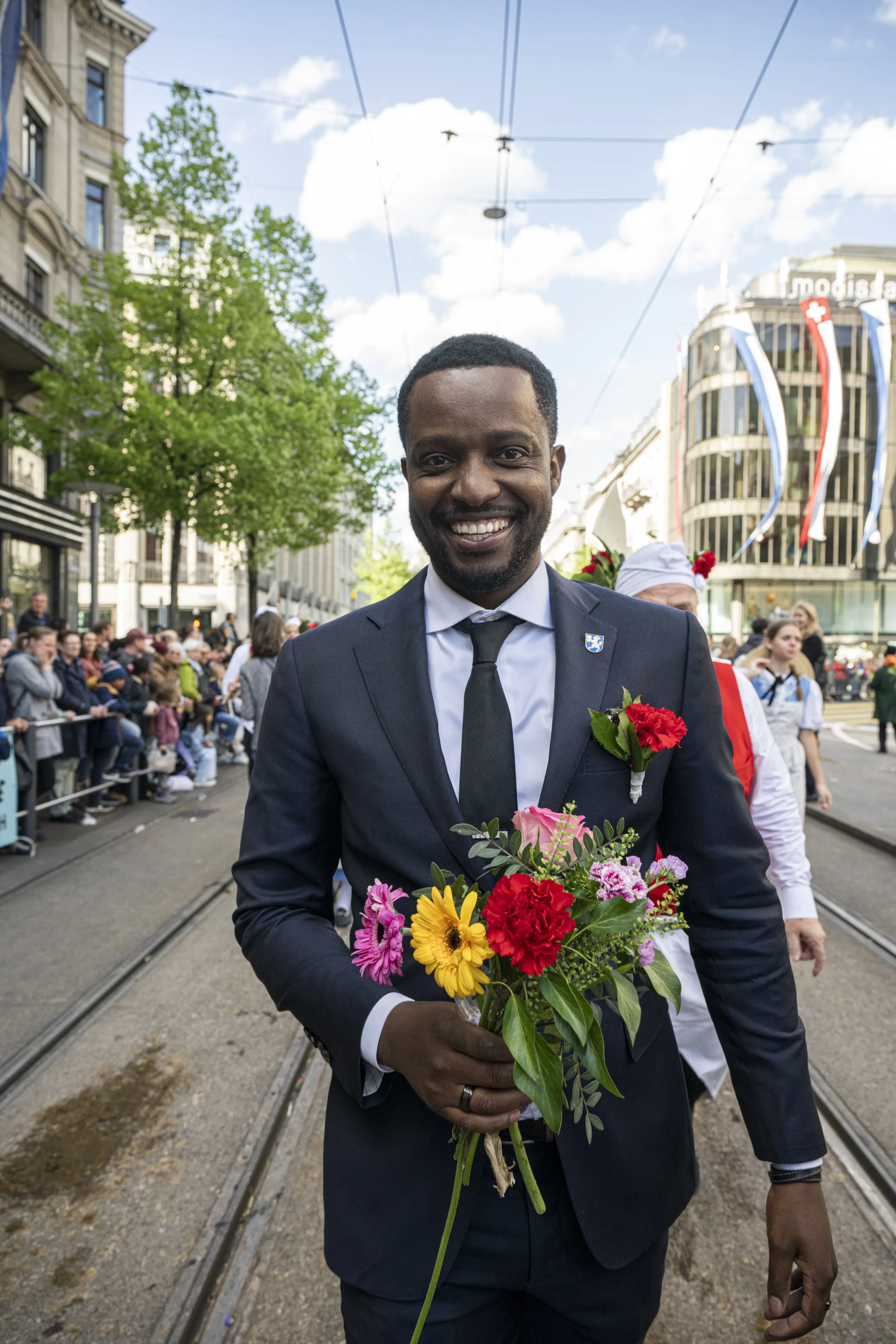
The right image shows Charles Nguela as a real person: humorous, approachable, and grounded in his public work. Here, personality, context, and social connection matter — qualities often missing in digital image algorithms.
The fake image shows an AI-generated version of Charles: physically enhanced, heavily muscled, with dominant body language and clear status symbols in the background. This depiction follows common algorithmic patterns of what is considered "masculine" online: strength, control, and perfect performance.
The original image by Pascal Mora shows Charles Nguela as a real person: humorous, approachable, and grounded in his public work. This is about personality, context, and social connection—qualities that are often absent from digital image algorithms.
The AI representation distorts masculinity into a one-dimensional ideal. It is not born from the reality of a human being, but from statistical data trends and visual clichés that are clicked, liked, and shared most frequently online.