









Exhibition at Alpenquai Zug until July 5th
Immediate help clickandstop.ch

Peaceful protest or threat?

Imagine yourself standing in the middle of a demonstration. Voices are loud, posters colourful, the atmosphere peaceful. Just a few clicks – and the same scene suddenly looks angry, threatening, aggressive. Both images look credible.
Auf den ersten Blick scheint alles klar: Die klassische Zuger Kirschtorte wirkt echt. Die neue Version wirkt ungewohnt. Vielleicht sogar künstlich. Genau hier beginnt WTFake.

Image
Image
Image
Image
Image
Image
Image

A picture can your life

Change even if

it never existed.

Anja ShusHu
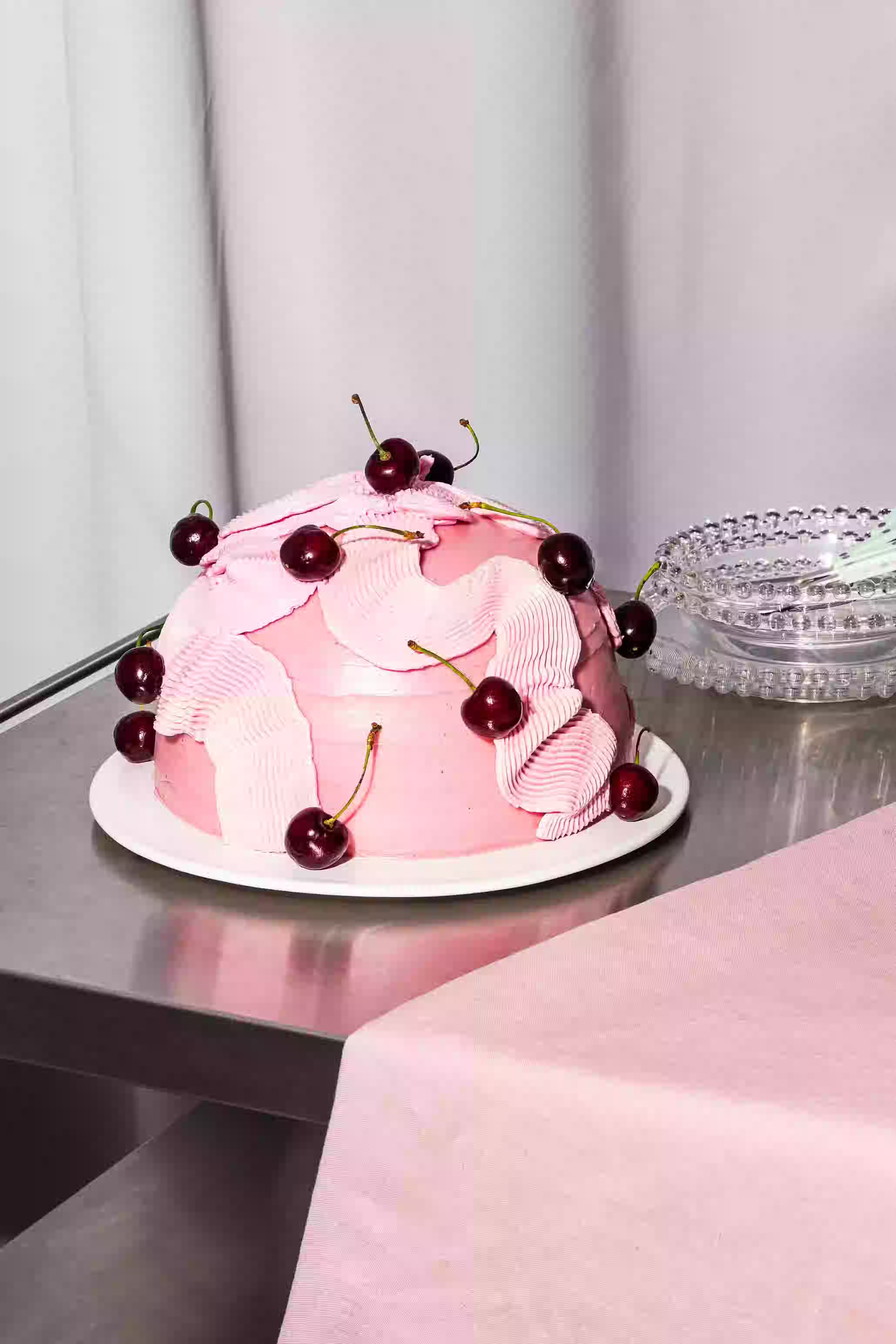
Runde pinke Torte mit dekorativer Glasur und Kirschen auf weißem Teller, silberner Tisch.
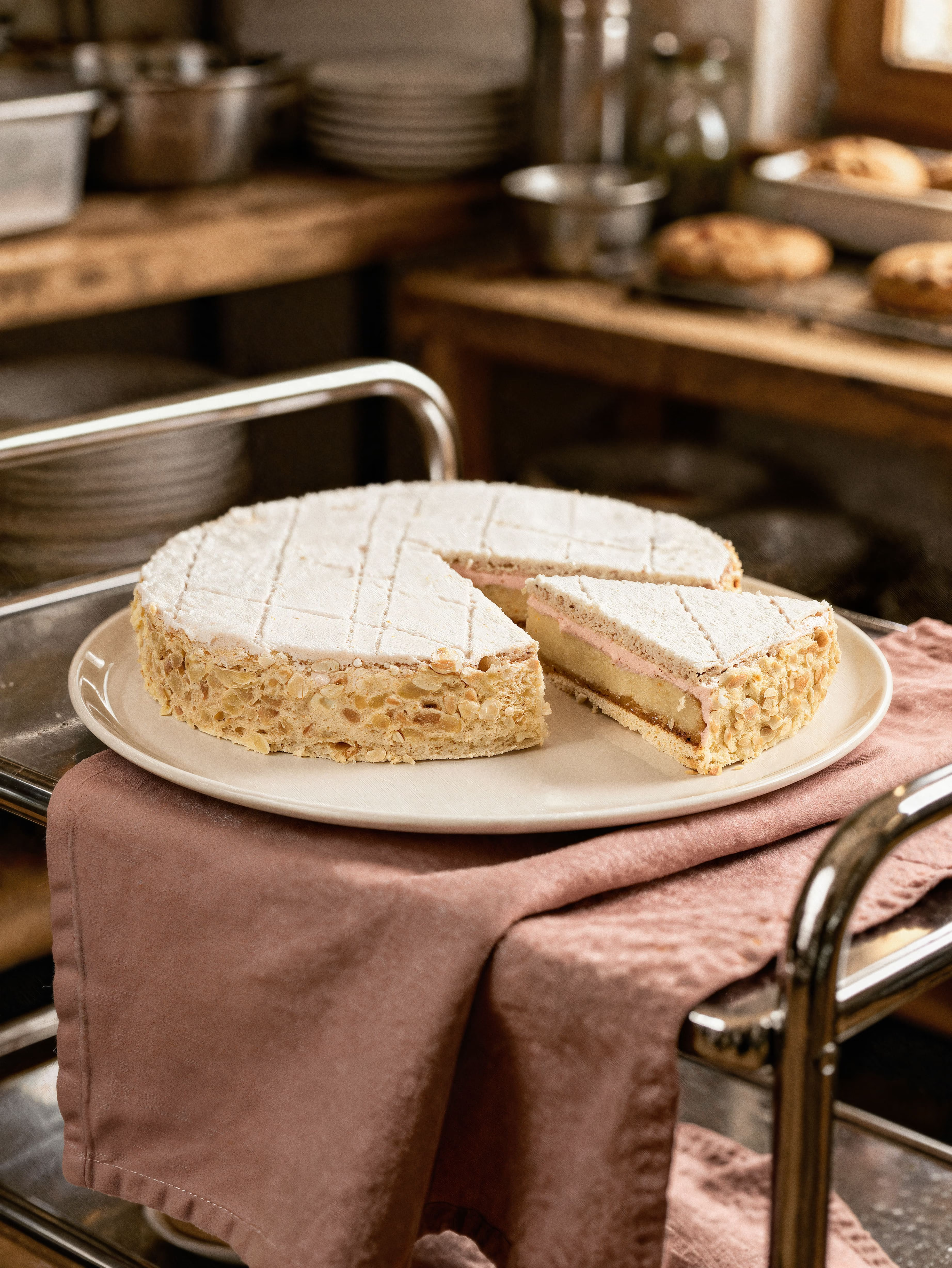
Zugertorte mit einer Scheibe auf einem Teller auf rosa Tuch auf einem Küchenwagen.
Digital Fake

The picture on the left shows the peaceful women's strike in Switzerland — taken by

Die KI hat dieses Bild nicht einfach erfunden. Sie hat bekannte Muster kombiniert: Tradition. Handwerk. Heimat. Warmes Licht. Ein schönes Zuhause.

Darum wirkt das KI-Bild so glaubwürdig. Nicht, weil es wahr ist. Sondern weil es unseren Erwartungen entspricht.

The real image

The Food Studio nom nom doesn't simply repeat tradition. They evolve it.

Because tradition doesn't mean everything has to stay the same. Tradition lives when people pass it on, change it, and retell it.

So, the real image doesn't show a fake cherry cake. It shows a living tradition.

From cherry cake to gender role

A single photo can completely change the tone of a news story.
Auf Social Media funktioniert Tradition oft besonders gut, wenn sie perfekt inszeniert ist.

Ein schöner Tisch. Warmes Licht. Ein vertrautes Rezept. Ein Gefühl von Zuhause. Solche Bilder berühren uns.

Aber sie können auch Erwartungen verstärken: So soll Familie aussehen. So soll Zuhause aussehen. So soll Weiblichkeit aussehen. So soll ein gutes Leben aussehen. Ein Beispiel für diese Form der Inszenierung ist die Tradwife-Ästhetik, die auf genau solche Bilder setzt.

Tradwife: old roles, new look

"Tradwife" comes from "traditional wife." On social media, some accounts portray a life where women primarily represent home, family, children, cooking, and beauty.

The images often appear calm, warm, and perfect. Baking isn't the problem. Family isn't the problem. Being at home isn't the problem. It becomes problematic when a single way of life appears more natural, feminine, or superior to all others.
Then nostalgia turns into pressure to conform.

Why AI amplifies such images

AI learns from images, texts, and patterns that people have previously posted online. If many perfect kitchens, classic family photos, and old gender roles appear online, AI picks up on these patterns.

So, AI doesn't just show us "tradition." It shows us which images of tradition have been particularly visible, repeated, and normalized.

That's where the real fake lies: Not only is the image artificial, but our idea of "normal" can also become artificially narrow.

What does staged tradition do to us?

Nostalgia

Tradition feels warm, familiar, and secure. Especially in uncertain times, this can be very appealing.

Comparison

Perfect images of home, family, and food can create pressure: Everything should appear beautiful, harmonious, and meaningful.

Role stereotypes

Food and lifestyle content often implicitly shows who cares, who serves, who beautifies, and who remains in the background.

Simplification

Complex questions about work, family, care, equality, and identity are reduced to an aesthetic image.

#OnlyFacts

Person in schwarzer Kleidung sitzt umgeben von alten Monitoren und Computertastaturen in düsterem Raum.

AI tools can realistically alter facial expressions, body posture, and even lighting conditions.
Eine Studie von UCL und der University of Kent zeigte 2024, dass Social-Media-Algorithmen Jugendlichen innerhalb weniger Tage deutlich mehr frauenfeindliche Inhalte empfehlen können. Die Forschenden beobachteten über fünf Tage eine starke Zunahme solcher Empfehlungen.

(Source: Medin et al., 2021 — MOST-GAN)

Person sitzt am Boden und tippt auf einer Tastatur, umgeben von mehreren Bildschirmen und Kabeln.

Familiar images appear credible faster
We often believe images faster when they match what we already expect. That's precisely why the classic AI Black Forest cake might seem 'more real' than the genuine reinterpretation.

(Source: EU DisInfoLab, 2023)

#ClickWithCare

What can you do?

Use reverse image search (Google Lens, TinEye, InVID) to verify the source.

Pay attention to details: unnatural shadows, illogical proportions, blurred faces in the background.

Check multiple sources before sharing an image.

Question it: “Too good to be true?”, “Why am I seeing this image right now?”, “What is it trying to tell me?”

Tradition is not the problem

Tradition can connect. It can preserve stories. It can create identity. It can bring people together.

But tradition must not become a mask behind which old expectations return as new aesthetics or trends. The strongest tradition is not the one that always stays the same. But the one we consciously pass on.

What does that have to do with the Code of Conduct?

Digital content is never neutral. It shapes what we find beautiful.
What we find normal. What we find successful. What we expect for ourselves.

The Conscious Influence Hub's Code of Conduct translates values such as transparency, responsibility, or respect  into concrete guidelines for digital communication.

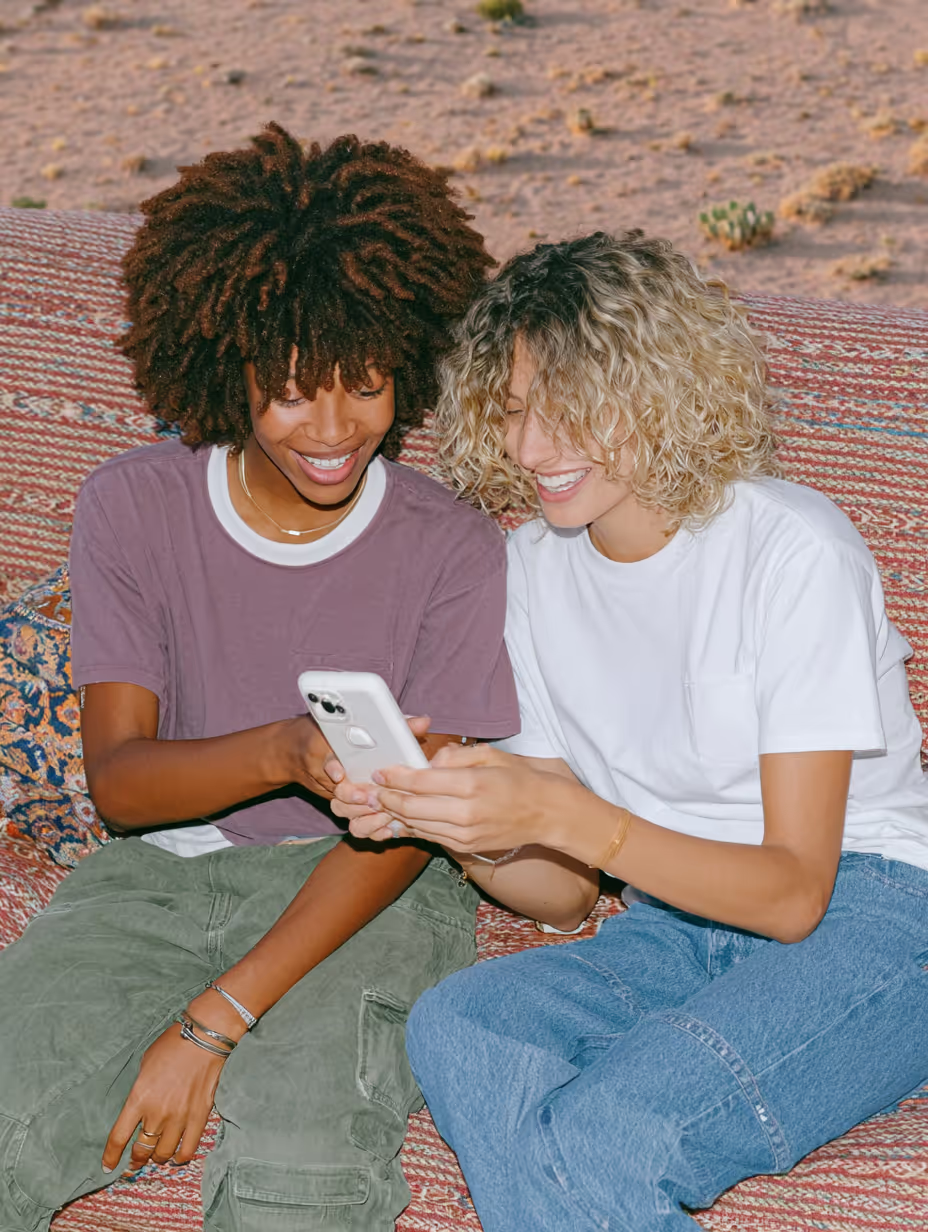
Zwei lachende Frauen sitzen auf einem Teppich und schauen zusammen auf ein Smartphone.

You communicate factually, transparently, and honestly.

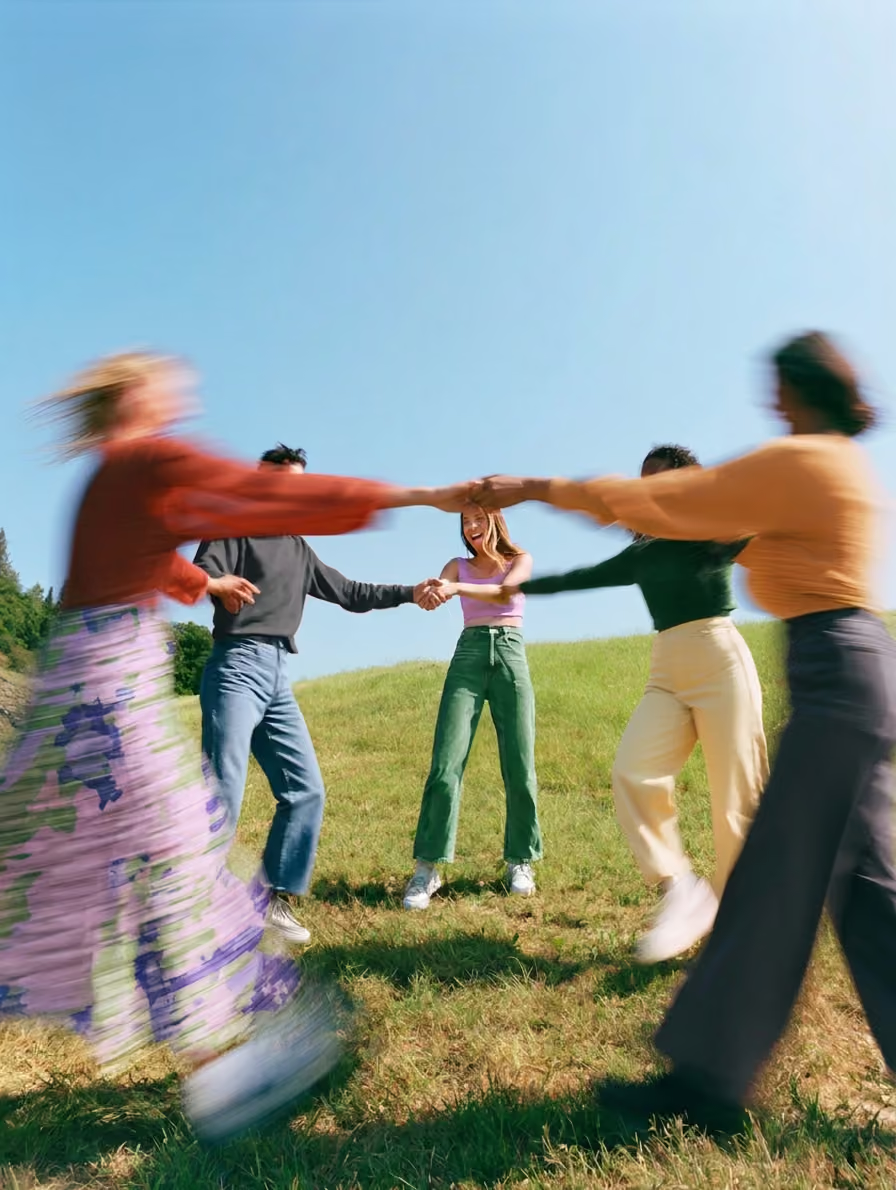
Gruppe lachender Menschen, die sich im Kreis im Freien bei sonnigem Wetter an den Händen halten.

You provide context and foster open discourse.

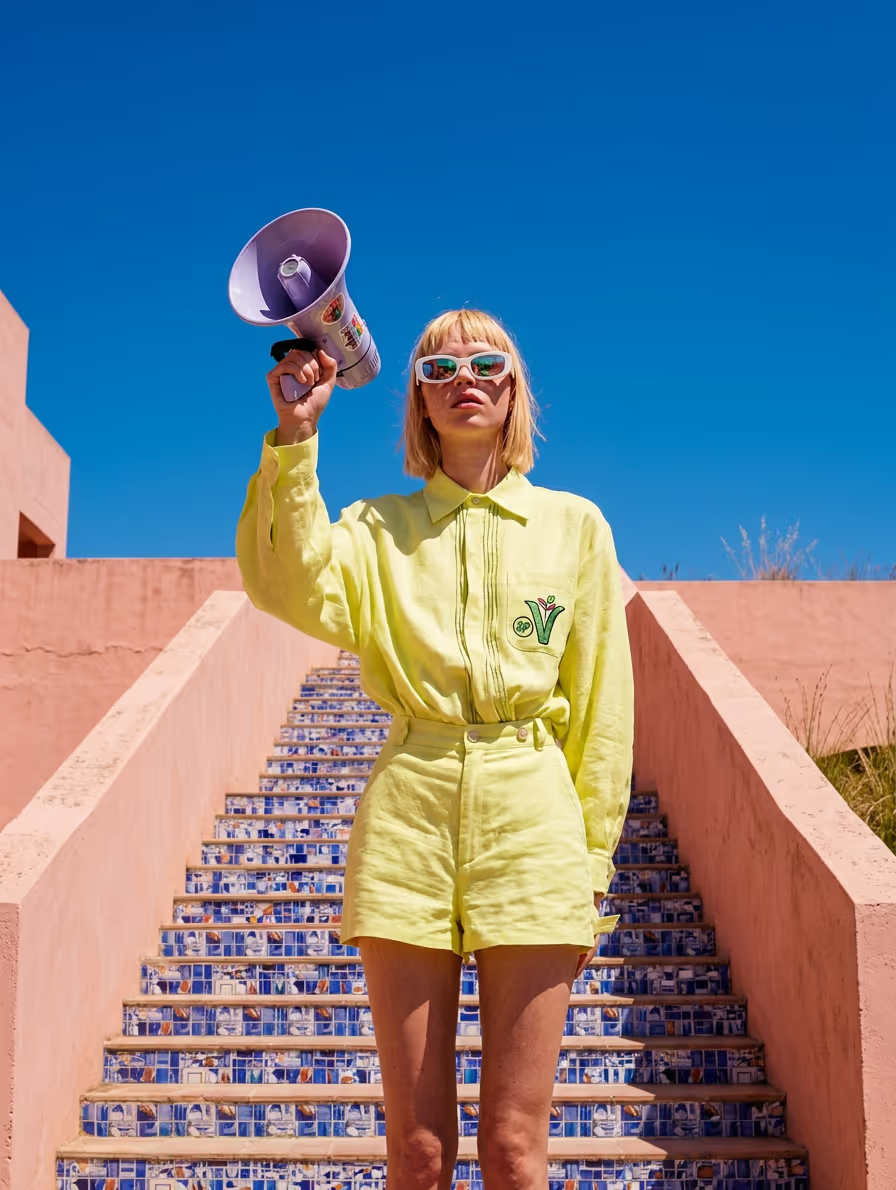
Frau mit gelber Kleidung und weißen Sonnenbrillen hält ein Megafon vor blauem Himmel auf Treppe.

You have sexism on your radar.

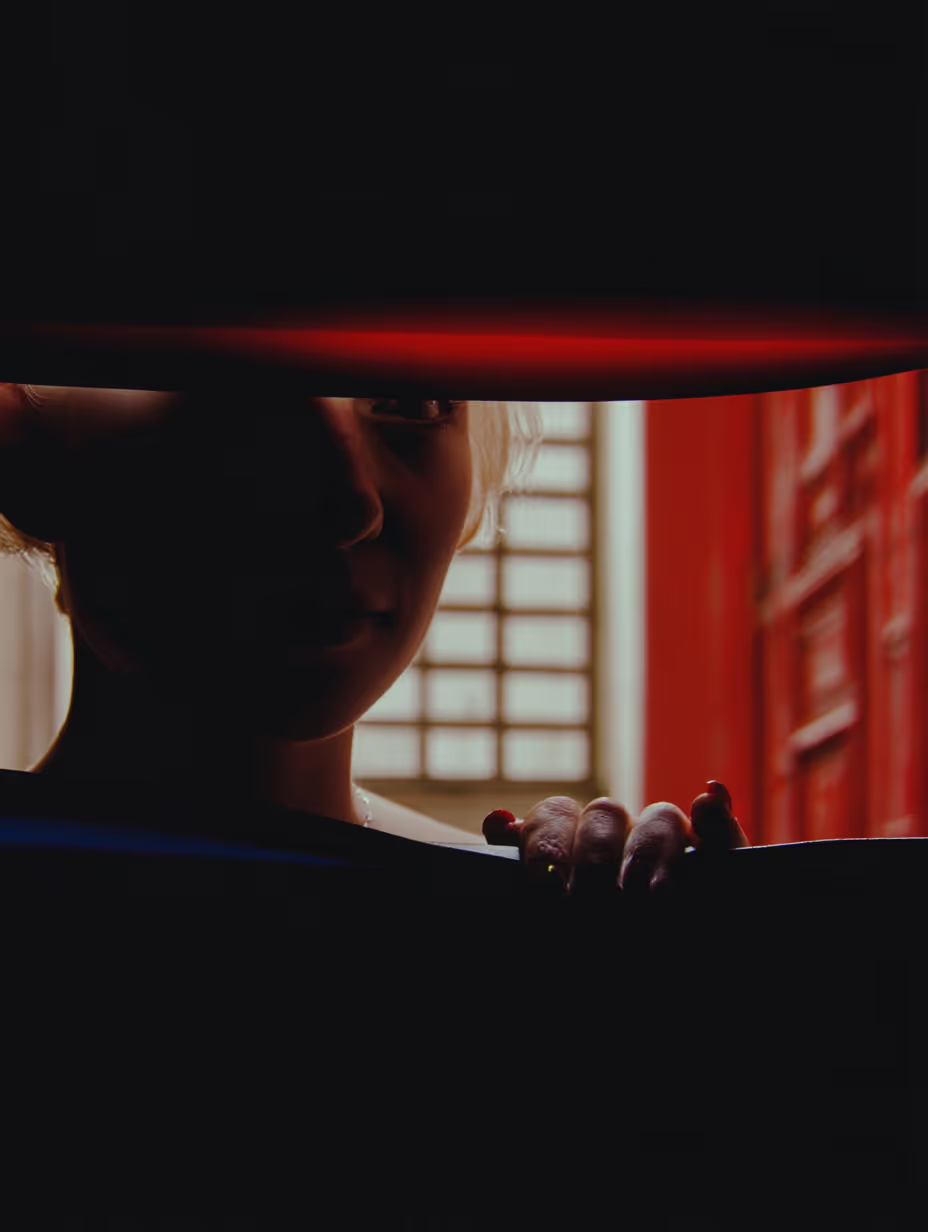
Person schaut durch schmale Öffnung mit rotem Hintergrund und Hand auf Kante gelegt.

You respect the privacy of others.

Show Code of Conduct

What we call tradition is often a choice: What we preserve. What we show. And what we might retell.